How to Completely Uninstall & Remove a Printer Driver from Your PC - . Check out http: //www.
How to fix a Slow Computer Why is my computer slow? Essentially, a computer slows down because of an increased demand on resources. Over time we add: music, games.
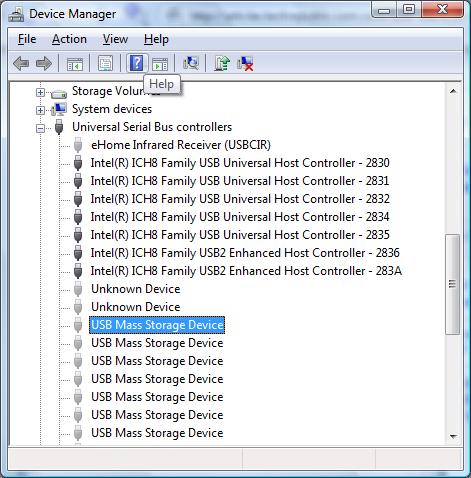
Since Windows Vista, your operating system comes with an anti spyware program called Windows Defender. It’s a small piece of software that runs in the background to. Should I remove Conexant HD Audio by Conexant Systems, Inc? Audio products like HD solutions for the PC market, HD audio codecs, and speakers-on-a-chip and voice. Perfect Uninstaller is a better and easier uninstall program tool for you to completely uninstall any unwanted program that standard Windows Add/Remove Program can't. If you are experiencing weird issues after upgrading your hardware, or you’ve just upgraded to the latest hardware device and aren’t seeing the performance you. Another great program for getting information on what stays and goes is the free app: . It offers a ton of information on the items in. I have tried this in Win 7 x64 and I do not see the ports that are not connected. I am using a USB to Serial adapter (FTDI â Hidden devices (ghosted) can be removed from Device Manager after a small tweak. If you want to remove all hidden devices in one go, you'll need GhostBuster.

Add and Remove Drivers to an Offline Windows Image. Locate the device driver .


What are empty registry keys? Empty registry keys are usually of no value in the registry and they just add up to the size of the registry. One of the most common. Sometimes you get into a situation where you want to remove or replace a driver, but Windows remembers the driver and keeps reinstalling it.
Windows image. Note. All drivers in the directory and subdirectories that are referenced in the answer file are added to the image. You should manage the answer file and these directories carefully to address concerns about increasing the size of the image with unnecessary driver packages. Use Windows System Image Manager (Windows SIM) to create an answer file that contains the paths to the device drivers that you intend to install. Add the Microsoft- Windows- Pnp.
Customizations. Non. Win. PE component to your answer file in the offline. Servicing configuration pass. Expand the Microsoft- Windows- Pnp. Customizations. Non. Win. PE node in the answer file.

Right- click Device. Paths, and then select Insert New Path. And. Credentials. A new Path. And. Credentials list item appears. For each location that you intend to access, add a separate Path. And. Credentials list item. In the Microsoft- Windows- Pnp.
Customizations. Non. Win. PE component, specify the path to the device driver and the credentials that are used to access the file, if the file is on a network share. Note. You can include multiple device driver paths by adding multiple Path.
And. Credentials list items. If you add multiple list items, you must increment the value of Key for each path.
For example, you can add two separate driver paths where the value of Key for the first path is equal to 1 and the value of Key for the second path is equal to 2. Save the answer file and exit Windows SIM. The answer file must resemble the following sample.
For example, type. Dism /Mount- Image /Image. File: C: \test\images\install. Index: 1 /Mount. Dir: C: \test\offline. An index or name value is required for most operations that specify a WIM file. For a VHD file, you must specify /Index: 1. Use DISM to apply the answer file to the mounted Windows image.
For example, type. DISM /Image: C: \test\offline /Apply- Unattend: C: \test\answerfiles\myunattend. For more information about how to apply an answer file, see DISM Unattended Servicing Command- Line Options.
The . inf files referenced in the path in the answer file are added to the Windows image. Review the list of third- party driver (.
Windows image. Drivers added to the Windows image are named Oem*. This is to guarantee that all new drivers that are added to the computer are uniquely named. For example, the files My. Driver. 1. inf and My. Driver. 2. inf are renamed Oem.
Oem. 1. inf. For example, type. Dism /Image: C: \test\offline /Get- Drivers. Unmount the . wim file and commit the changes.
For example, type. Dism /Unmount- Image /Mount. Dir: C: \test\offline /Commit. If you need drivers for Windows Preinstallation Environment (Windows PE) to see the local hard disk drive or a network, you must use the windows. PE configuration pass of an answer file to add drivers to the Windows PE driver store and to reflect boot- critical drivers required by Windows PE. For more information, see Add Device Drivers to Windows During Windows Setup.


/http%3A%2F%2Fimg.appnee.com%2Fappnee.com%2FMySQL-Front-3.png)
/http%3A%2F%2Fimg11.hostingpics.net%2Fpics%2F515193demo.png)
/https%3A%2F%2Fi.ytimg.com%2Fvi%2FPfwakKQe32o%2Fhqdefault.jpg)
/http%3A%2F%2Fpraxistipps-images.chip.de%2Fvl2DrcFGex8ZbikLhOsXm2A8iYY%3D%2F0x0%2Ffilters%3Ano_upscale%28%29%3Aformat%28jpeg%29%2Fwww.chip.de%2Fpraxistipps%2F1749351944_41f30ffca1.jpg)