Issues and questions related to the Windows Taskbar. Updated: 0. 5/0. 9/2. Computer Hope. Information about the Taskbar. A bar located at the bottom (by default) of Microsoft Windows operating systems that displays the programs that are currently running. This bar also displays the Start button, time, Systray and, in later revisions, the Quick Launch.
Below are some examples of how the Taskbar may appear in Windows. Windows 7 Taskbar. Example of Windows 9.

Taskbar. See the Taskbar definition for additional related terms and information on this definition. I've lost my Windows Taskbar how do I get it back?
A missing Taskbar can be caused by either the Taskbar being on Auto hide or the computer user accidentally hiding the Taskbar by dragging it down too far. Verify Auto hide is not activated by following the steps below. In Windows Vista and later: Press both Ctrl and Esc at the same time or your Windows key to make Start Menu appear. Click on Control Panel and select Taskbar and Start Menu.
Verify that Auto- hide the taskbar is not checked. Note: In newer versions of Windows, instead of clicking Settings in the Start Menu, select Control Panel. After that, select Taskbar and Start Menu in the Control Panel, and then verify Auto- hide the taskbar is not checked.
In Windows XP and earlier: Press both Ctrl and Esc at the same time or your Windows key to make Start Menu appear. Click Settings and choose Taskbar & Start Menu. Verify that Auto Hide is not checked. If Auto Hide is not enabled, move the Taskbar up by following the steps below. Press Ctrl+Esc or your Windows key to make Start Menu appear. Determine where Start Menu appears. By default, it should be the bottom left corner.
Press Esc. You should now notice a small gray line at the location of where the start button was. Move the mouse cursor over that gray line. When in the appropriate position, your mouse cursor should change into a double- headed arrow. Once the mouse cursor has changed, click and hold the mouse button and move the bar up. Load into Safe Mode to fix Taskbar. If you still cannot get the Taskbar to show, reboot the computer and load the computer into Windows Safe Mode.
Once in Safe Mode, Restart the computer once again and the Taskbar should be restored. Restore Windows to earlier point or version. If after trying the above three options, the Taskbar is still not showing, your computer may have some corrupt system files that are preventing the Taskbar from showing. To fix this issue, you can try restoring Windows to an earlier version or previous restore point.
This may work to fix the issue by going back to a version of Windows when the system files were not corrupt. My Taskbar moved to the left, top, or right side of the screen. It is common for users to mistakenly move their Taskbar to the left, top, or right side of the screen while working on their computer. If you want to return the Taskbar to the default position (the bottom of the screen), follow the steps below. How to move the Taskbar.


Moving the Taskbar is simple once you understand the basic steps involved. To move the Taskbar, follow the steps below.
How to Clear / Remove Unwanted Items from “Hide Inactive Icons” Customization Box History in Notification Area of Windows. UPDATE: This tutorial will also help. If the Volume icon is missing on Windows 10, you need to make sure that this icon is enabled. To do that, follow these steps: According to users, one of the simplest. How to show your Network connection icon in the taskbar notification area. The Network connection icon can let you know when there is a problem with your internet.
Note: Before trying to move the taskbar, right- click on the taskbar, select Properties, and make sure Lock the taskbar is not checked. If it is, select this option to uncheck it. Move your mouse cursor to where the time is displayed on the Taskbar.
Tips for How to change and control volume in Windows 10 Computer you will meet many methods like by means of Taskbar, Control Panel, Settings Charm, Volume Mixer. Start menu, Taskbar, System tray, Desktop, Gadgets, visual settings. This page describes the settings concerning the Windows 7 user interface to improve the user. Sound in Windows Vista and 7 is quite a bit more complicated than it needs to be, so troubleshooting sound problems is a real chore. The best way to fix a PC that won. I've lost my Windows Taskbar how do I get it back? A missing Taskbar can be caused by either the Taskbar being on Auto hide or the computer user accidentally hiding.
In later versions of Windows, like Windows 1. Taskbar. Once your mouse cursor is over the time or over an empty area on the Taskbar, click and hold the left mouse button down. While holding the mouse button down, move your cursor to the middle edge of where you want the Taskbar to be. For example, if you want to return the Taskbar back to its original position, move the cursor to the bottom center of the screen. When the Taskbar has moved to its new location, release the left mouse button.
How do I resize the Taskbar? Note: Newer versions of Windows no longer allow you to resize the Taskbar. To resize the Taskbar, move your mouse cursor to the top edge of the Taskbar. When the mouse is in the correct position, the cursor should change to a double- headed arrow pointing up and down. When the cursor is in this shape, click and hold the mouse button and move the Taskbar up or down, increasing or decreasing the size of the Taskbar.


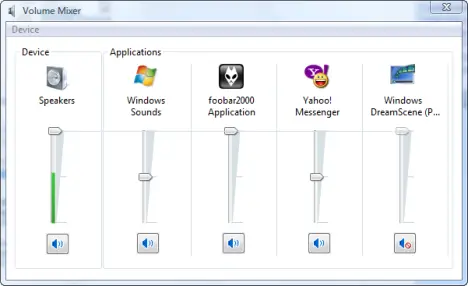
Many of our readers asked us to help them put their Volume Mixer icon back to the notification area of their taskbar. Since this has been quite a common problem, we. Show or hide the volume icon (sound speaker) from the taskbar in Windows 7. Windows 7 automatically shows the volume icon inside the taskbar (as was the case in.
I have lost an icon on my Taskbar how do I get it back? Icons on the Taskbar or Systray are icons associated with a program installed or running on your computer.
To get these icons back, you must either open and run a program or install the program associated with that icon. Can I add an icon to my Systray or Taskbar? If you have Windows 9. Windows NT the answer is no. If you have Windows 9.
Windows 2. 00. 0, Windows ME, Windows XP, Windows Vista, or later you can add an icon to your quick launch portion of your Taskbar. To add the quick launch portion to your Taskbar, right- click on the time in your Systray and select Toolbars and verify that the quick launch option is checked.
Once this has been checked, a new section to the right of the Start button appears that has small icons much like what is in the Systray. You can either drag shortcuts from your desktop or other areas of your computer to this area to create an icon on your Taskbar. Or you can cut and paste icons into this section of your Taskbar.
I have a double row or two or more rows for the Taskbar. The Microsoft Windows Taskbar can be stretched to have approximately 1. Often users may mistakenly stretch this bar to display two or three rows of icons. To increase or decrease the size of the Taskbar, move your mouse cursor to the top edge of the taskbar. When your mouse changes to a double- headed arrow, click and hold the left mouse button and drag the Taskbar up or down to increase or decrease the size of the Taskbar. How do I enable or disable the Taskbar Auto- hide? To enable or disable the Auto- hide feature that automatically hides the taskbar if not in use, follow the steps below.
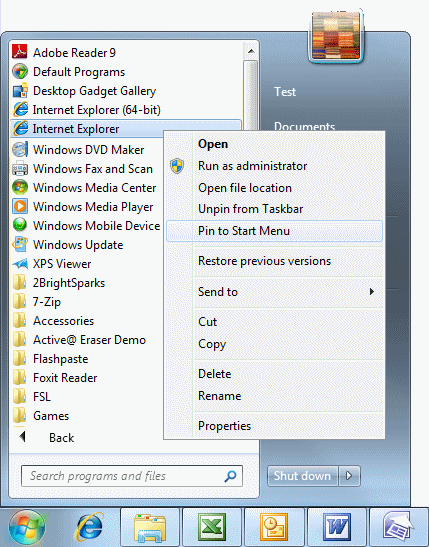
Click Start. Click Settings and then Taskbar and Start Menu. Once in the Taskbar and Start Menu Properties window check the Auto- hide the taskbar option if you want to enable this feature or uncheck this option to disable it. How to Pin a program into Taskbar. In Microsoft Windows 7, Windows 8, and Windows 1. Pin any program to the Taskbar by right- clicking on the shortcut or program and choosing the option to Pin to Taskbar.


/http%3A%2F%2Fimg.appnee.com%2Fappnee.com%2FMySQL-Front-3.png)
/http%3A%2F%2Fimg11.hostingpics.net%2Fpics%2F515193demo.png)
/https%3A%2F%2Fi.ytimg.com%2Fvi%2FPfwakKQe32o%2Fhqdefault.jpg)
/http%3A%2F%2Fpraxistipps-images.chip.de%2Fvl2DrcFGex8ZbikLhOsXm2A8iYY%3D%2F0x0%2Ffilters%3Ano_upscale%28%29%3Aformat%28jpeg%29%2Fwww.chip.de%2Fpraxistipps%2F1749351944_41f30ffca1.jpg)